
Meet ADRIANA VALENCIA
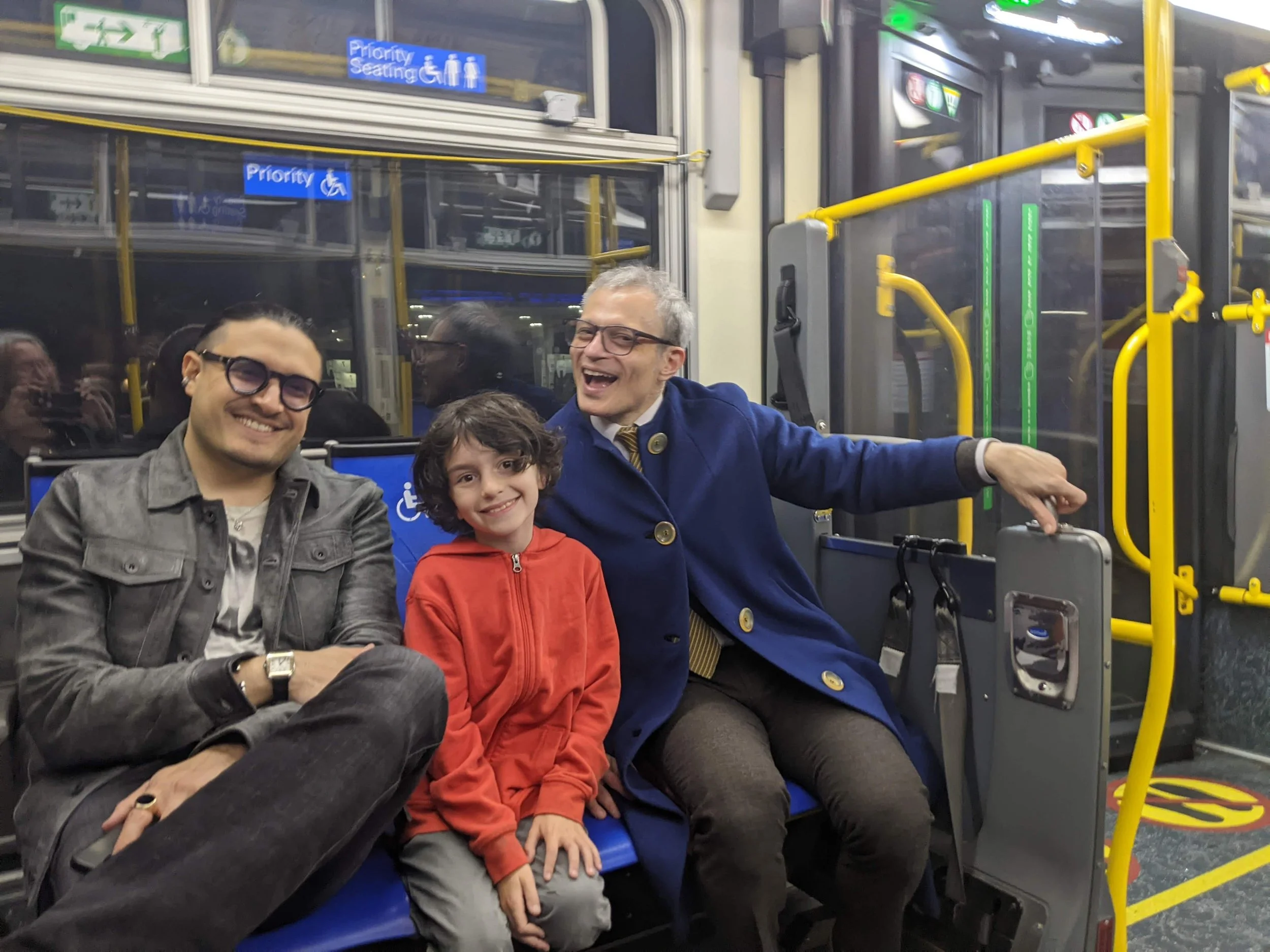
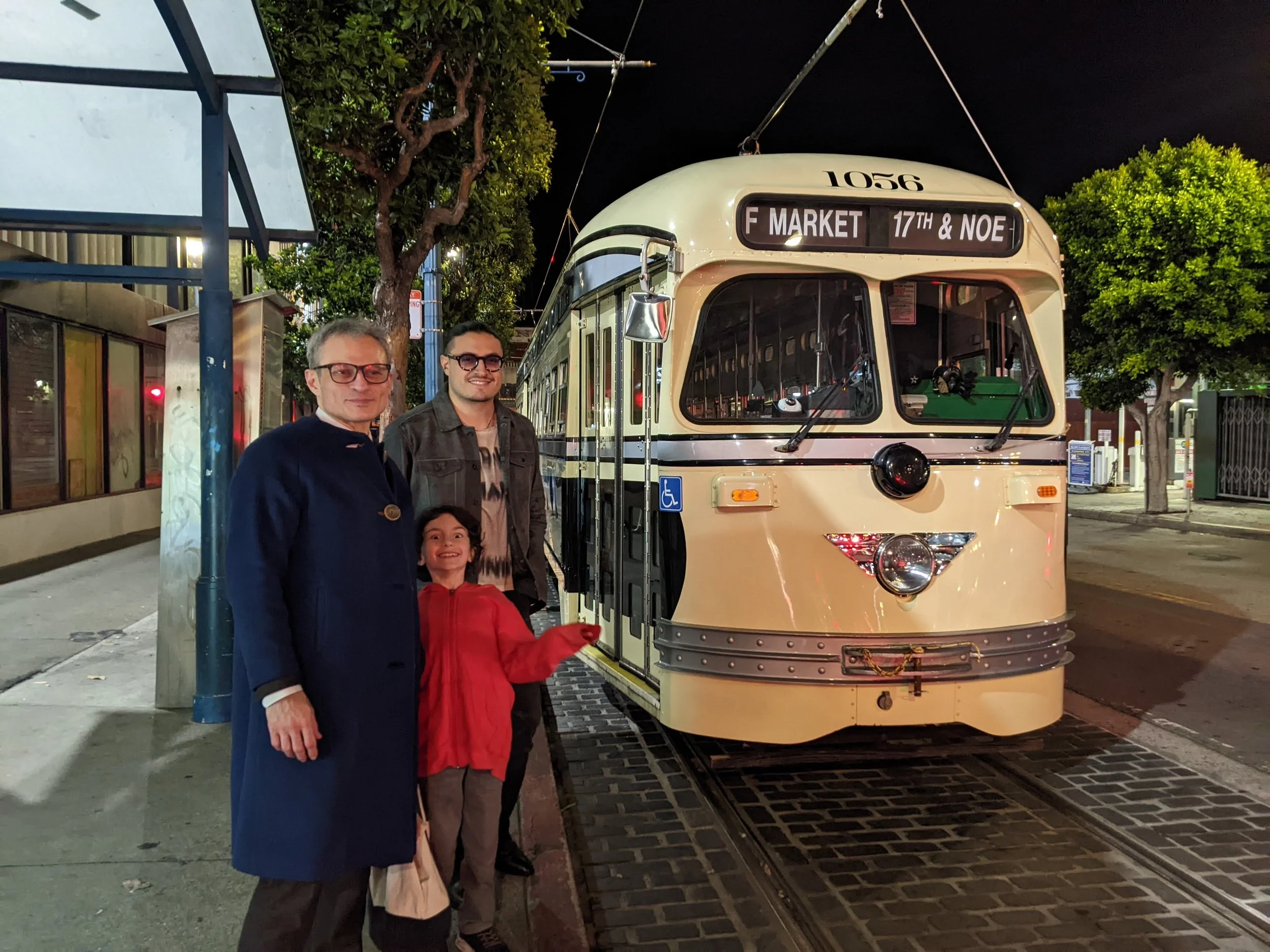
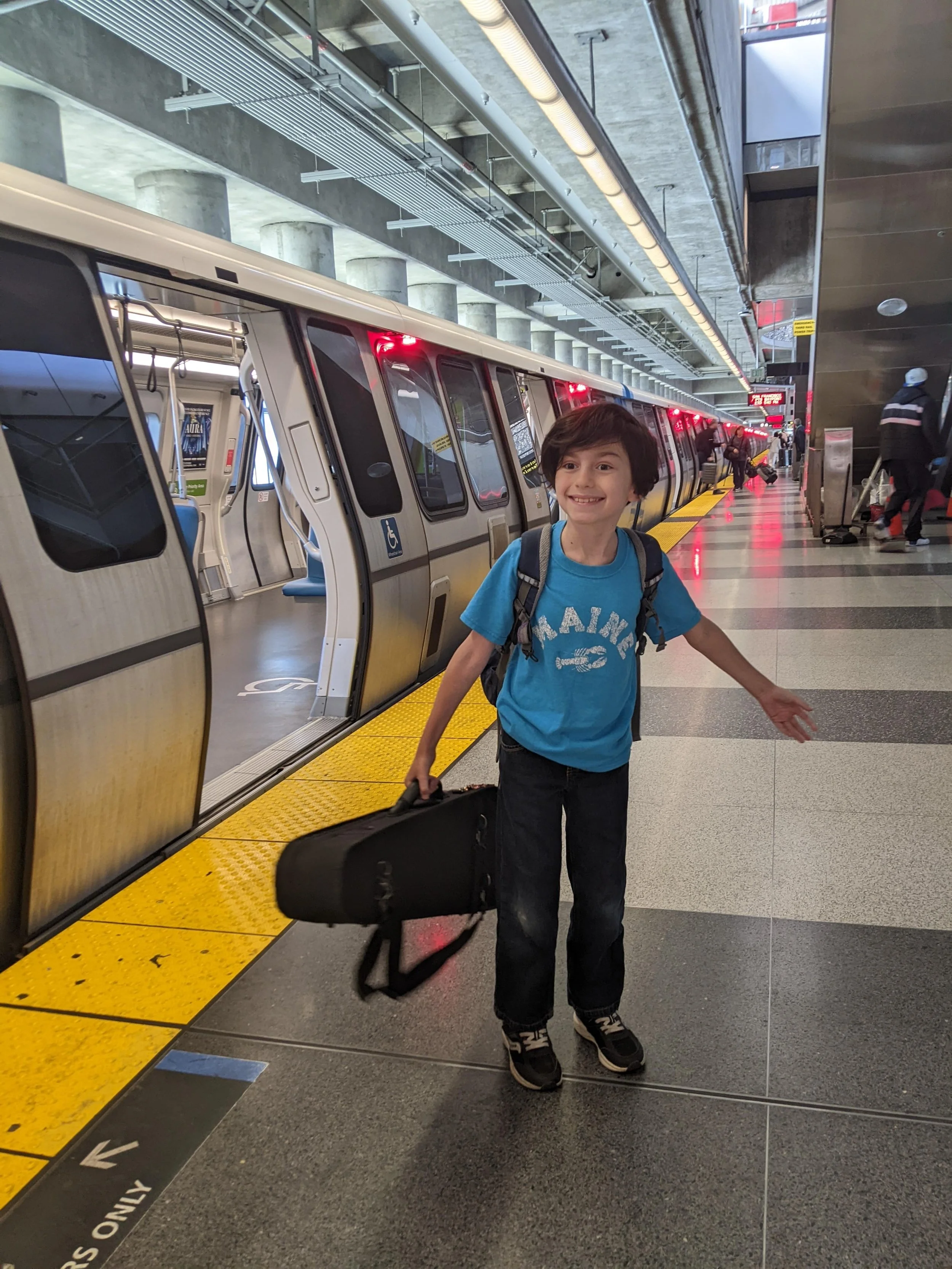
Adriana Valencia is a frequent transit rider, community advocate and product leader running for AC Transit Board in Ward 3. Unable to drive because of a vision disability, Adriana relies on buses, BART, walking and biking with her son.
She has advocated for affordable housing, safe routes to school and neighborhood transportation improvements. A multilingual Fulbright grant recipient with a PhD in architecture from UC Berkeley, Adriana brings a rare combination of lived experience, community leadership and professional problem-solving to the transit board.
She doesn't just believe in public transit. She depends on it. And she's ready to make it work better for all of us.
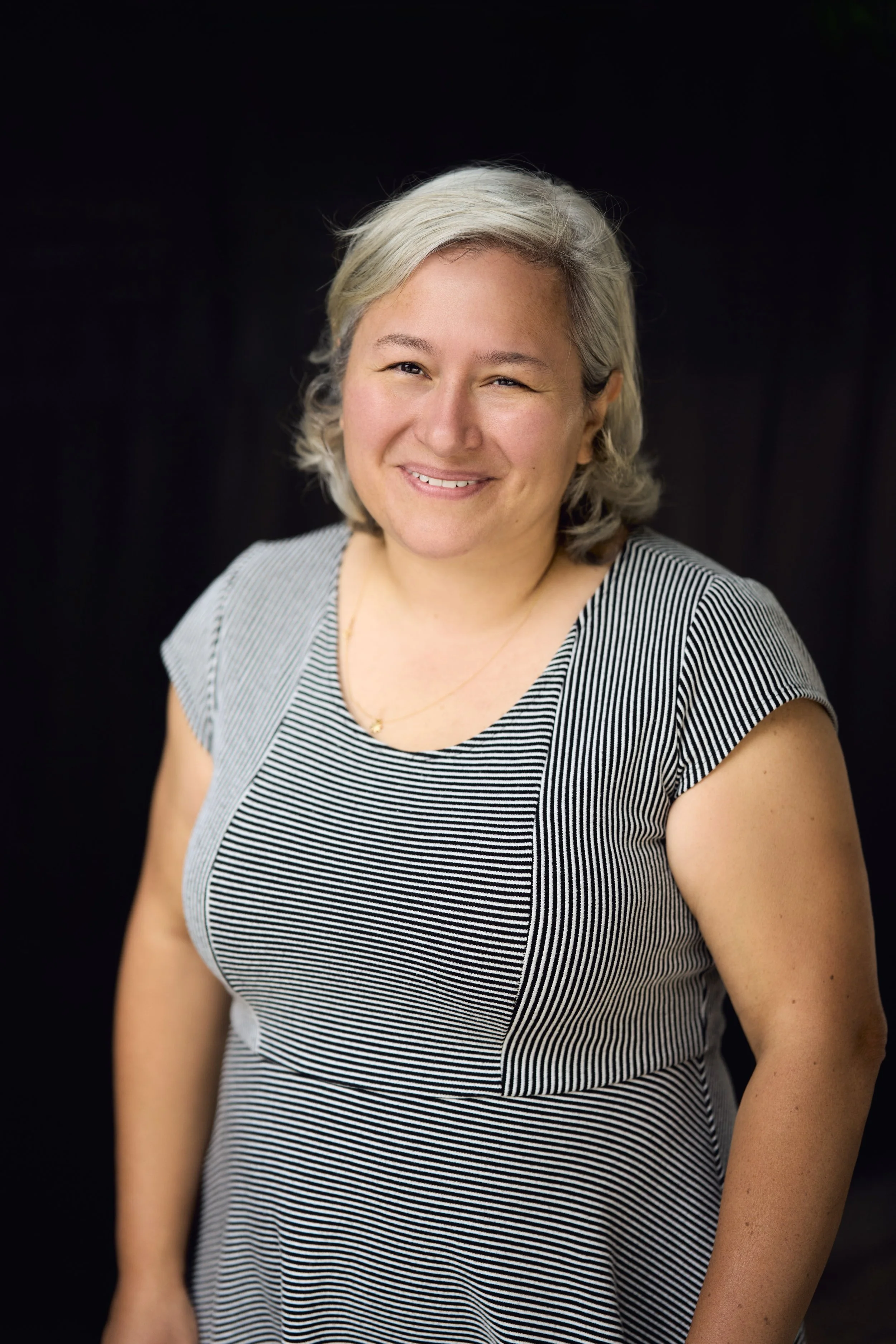
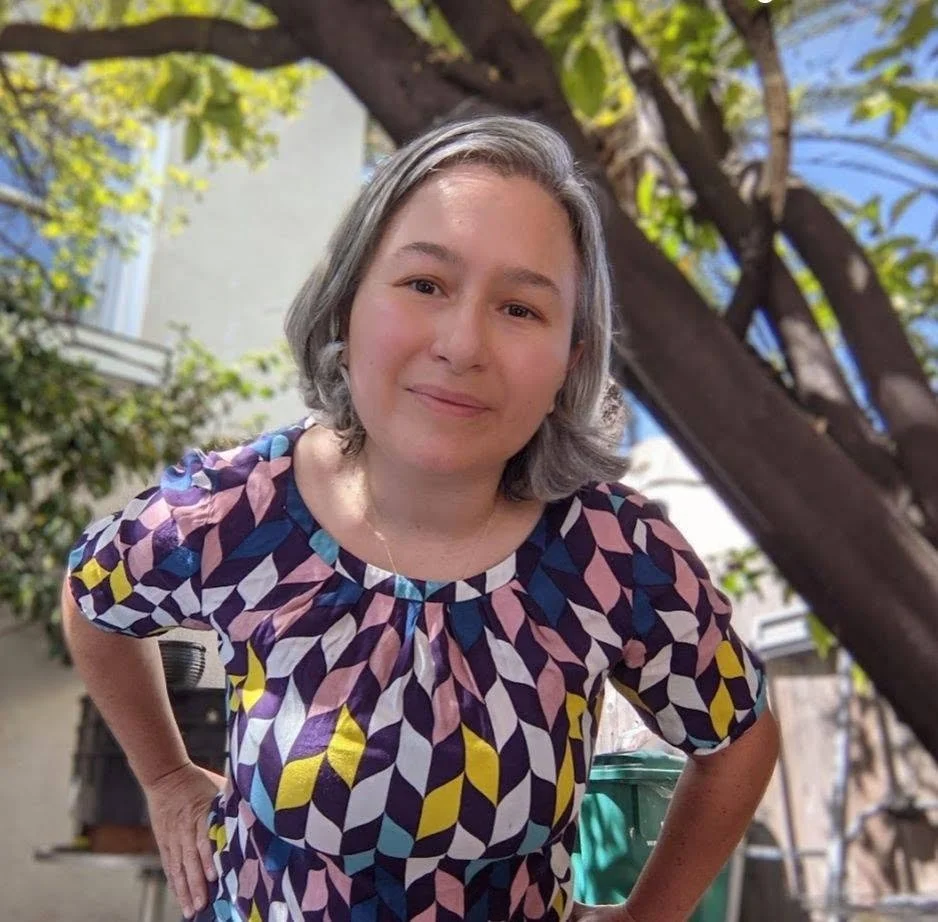
Adriana Valencia is running for AC Transit Board to fight for reliable service, better connections and a transit system that works for the communities that depend on it.
Adriana is a transit rider first. She doesn't talk about transit as an abstract policy issue. Because of her vision disability, she cannot drive. She walks, bikes, takes buses and BART with her son. Transit isn't something she advocates for from the outside—it is how she gets around every day.
Adriana is a builder and problem-solver. Her career in product and project management means she knows how to take complicated systems, listen to users, identify what's broken, and bring people together to make them work better.
Adriana is a community leader. She has worked on affordable housing, safe routes to school, neighborhood economic development, transportation and accessibility. She understands that transit isn't isolated from housing, schools, jobs, small businesses and quality of life.
“I’ve spent my career building products around a simple question: does this actually work for the person using it? I would bring that same discipline to AC Transit.”
Adriana Valencia knows what it means to depend on transit.
She can't drive because of a vision disability. Every day, she and her son walk, bike, take the bus and ride BART to get where they need to go. For Adriana, reliable public transportation isn't an abstract policy issue. It is the difference between being connected to a job, a school, a doctor, a neighborhood or a community and being left behind.
For 25 years, Adriana has called the East Bay home. She has organized for affordable housing at MacArthur BART, worked with fellow parents to create safer routes to schools, and advocated for transportation, housing and neighborhood improvements as chair of the Temescal/Telegraph BID's Design and Economic Development Committee.
She also knows how to make complicated systems work.
Adriana has spent her professional career as a product and project leader, bringing together users, engineers, designers and organizations to solve difficult problems. She has worked across B2B technology, marketplaces and consumer products, building teams and delivering solutions in complex, fast-moving environments.
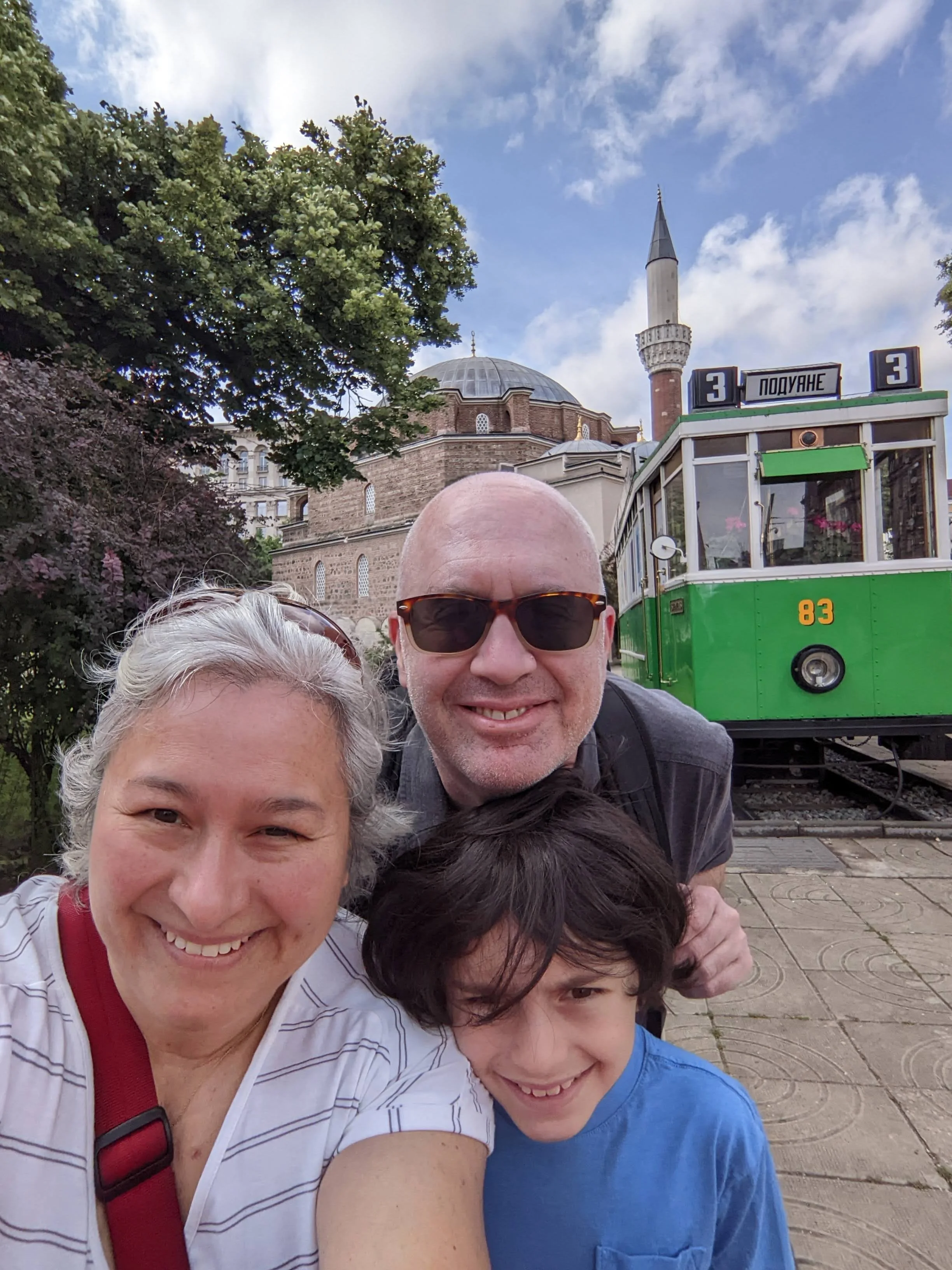
Her academic and international experience is equally distinctive. Adriana holds a PhD in architecture from UC Berkeley, master's and bachelor's degrees in Near Eastern Studies, and has been awarded Fulbright, Mellon, Javits and other prestigious fellowships. She speaks five languages and has lived, studied and conducted research around the world.
Now she wants to bring that experience home.
At a time when AC Transit is confronting budget challenges and communities are facing cuts to routes and service, Ward 3 needs a board member who understands what riders are experiencing and knows how to build better systems.
Adriana will fight for reliable, affordable and accessible transit; better connections between buses, BART and ferries; and streets where walking and biking are safe and comfortable for everyone.
“People in the East Bay deserve to have a life that doesn't require a car. That means our buses need to connect to BART, ferries, schools, neighborhoods and the places where people actually live their lives.”
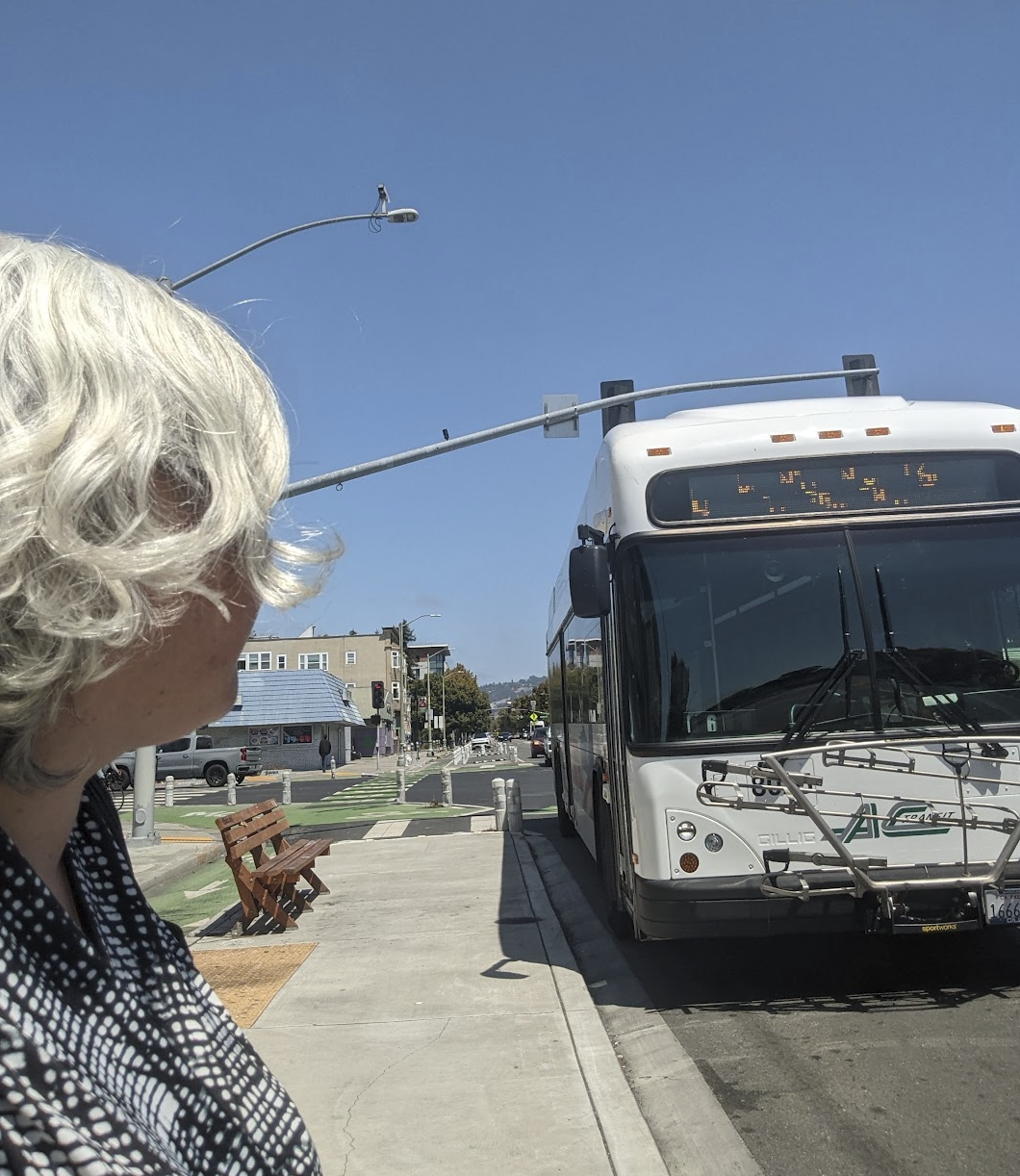
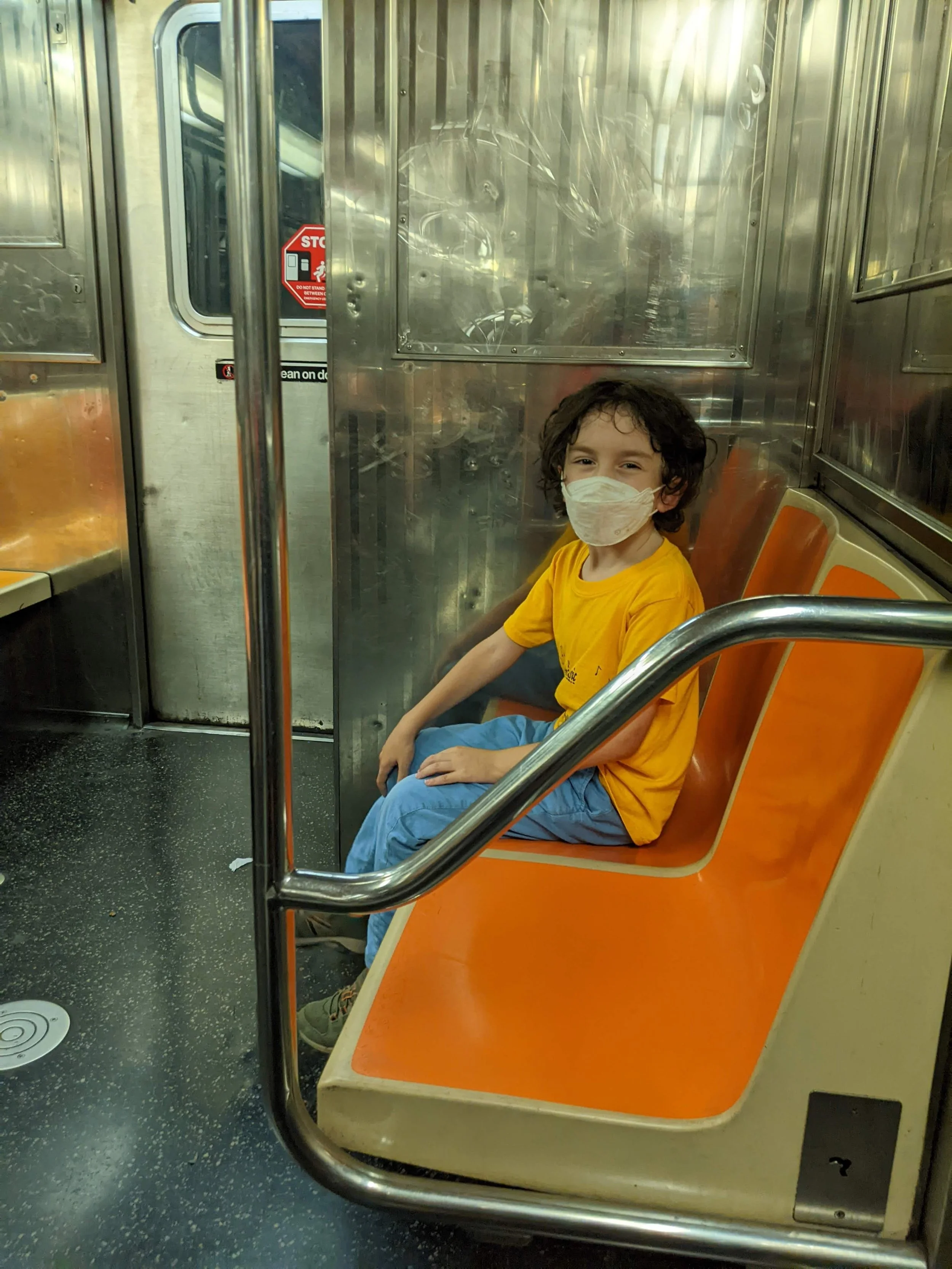
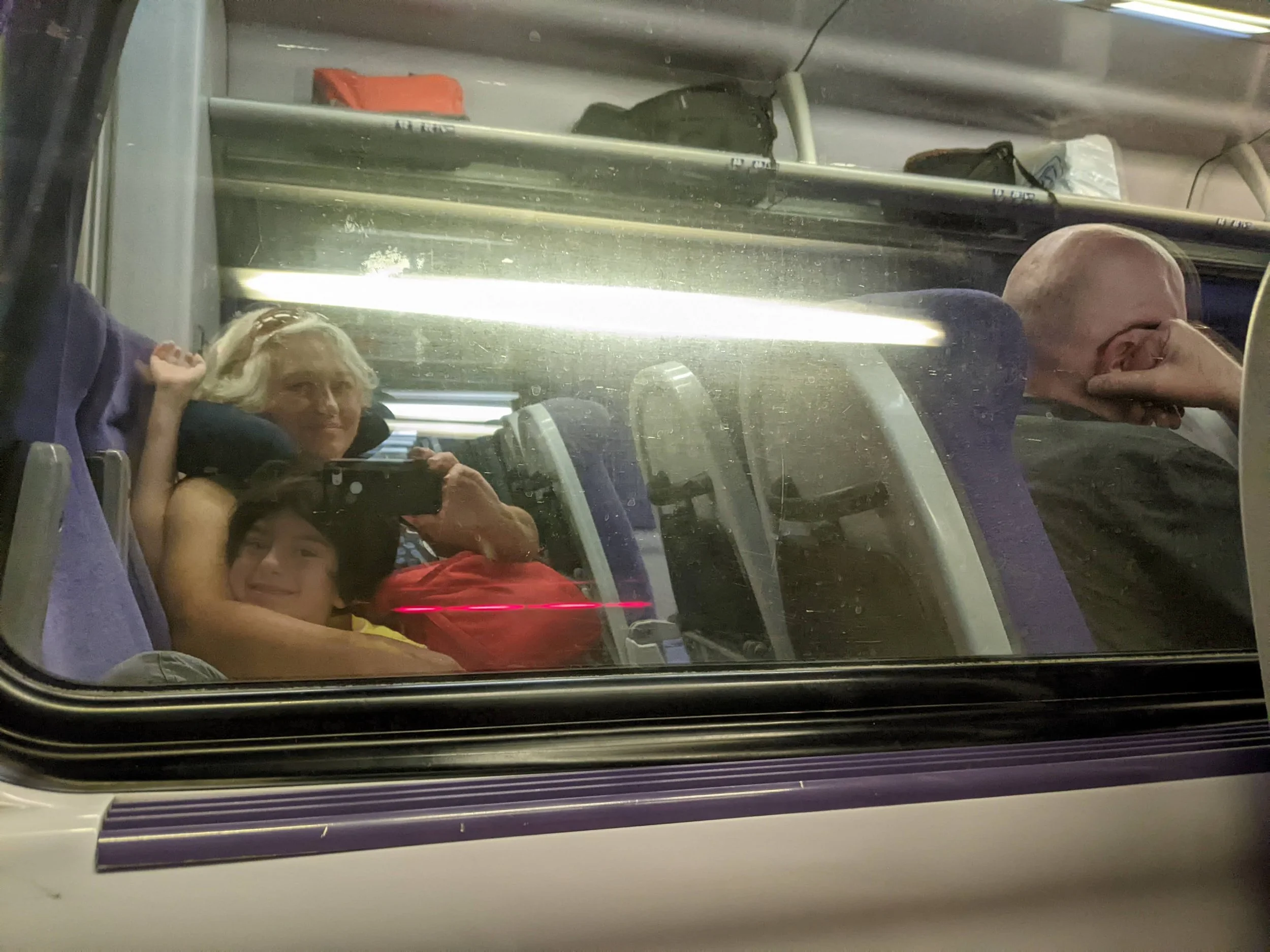
MY VALUES

Connecting Every
Community to Opportunity
EQUITY
Transit provides opportunity; service should connect the places where people live to the places they need and want to be: workplaces, schools, medical care, and additional transit hubs. Bus line planning and operations should not favor one neighborhood over another but should, instead, form an interconnected network of services that enable access to opportunity at both the daily and longer-term levels.
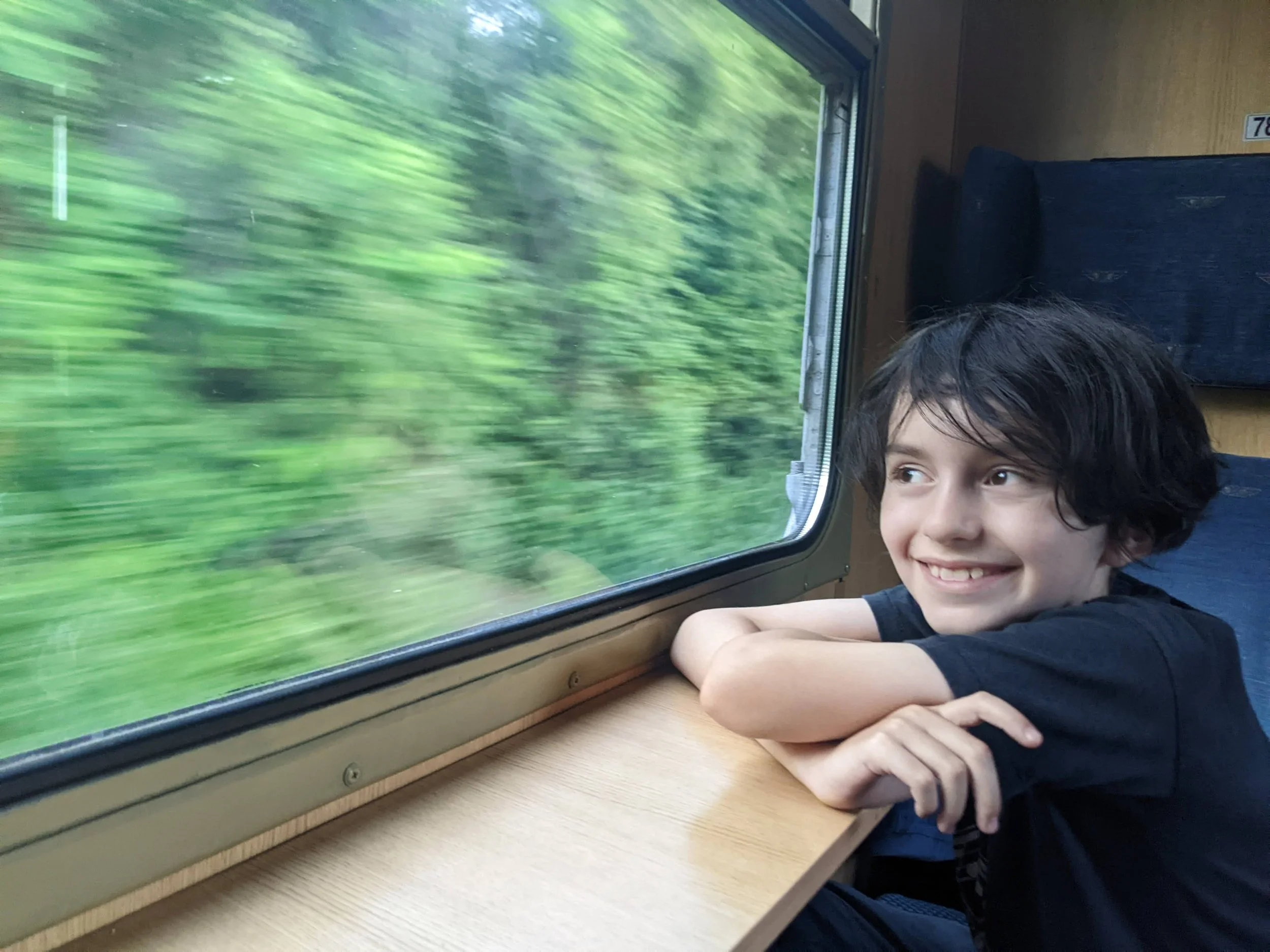
Environment
Private vehicle ownership and operation is one of the largest drivers of climate change at the individual-consumer level. A public transit network sufficiently robust that those who own vehicles choose to take transit instead is a net-positive for our region's environment. I believe that it is possible to get there.
But the benefit of fewer vehicles on the road isn't a stopping point. While AC Transit has public targets for a 100% zero-emission fleet by 2040, those targets need to be measured and regularly reported against.
Operationally, AC Transit's bus lines should provide access to the outdoors and places where residents of our region can appreciate and experience the natural environment
Building a Cleaner,
Greener Region
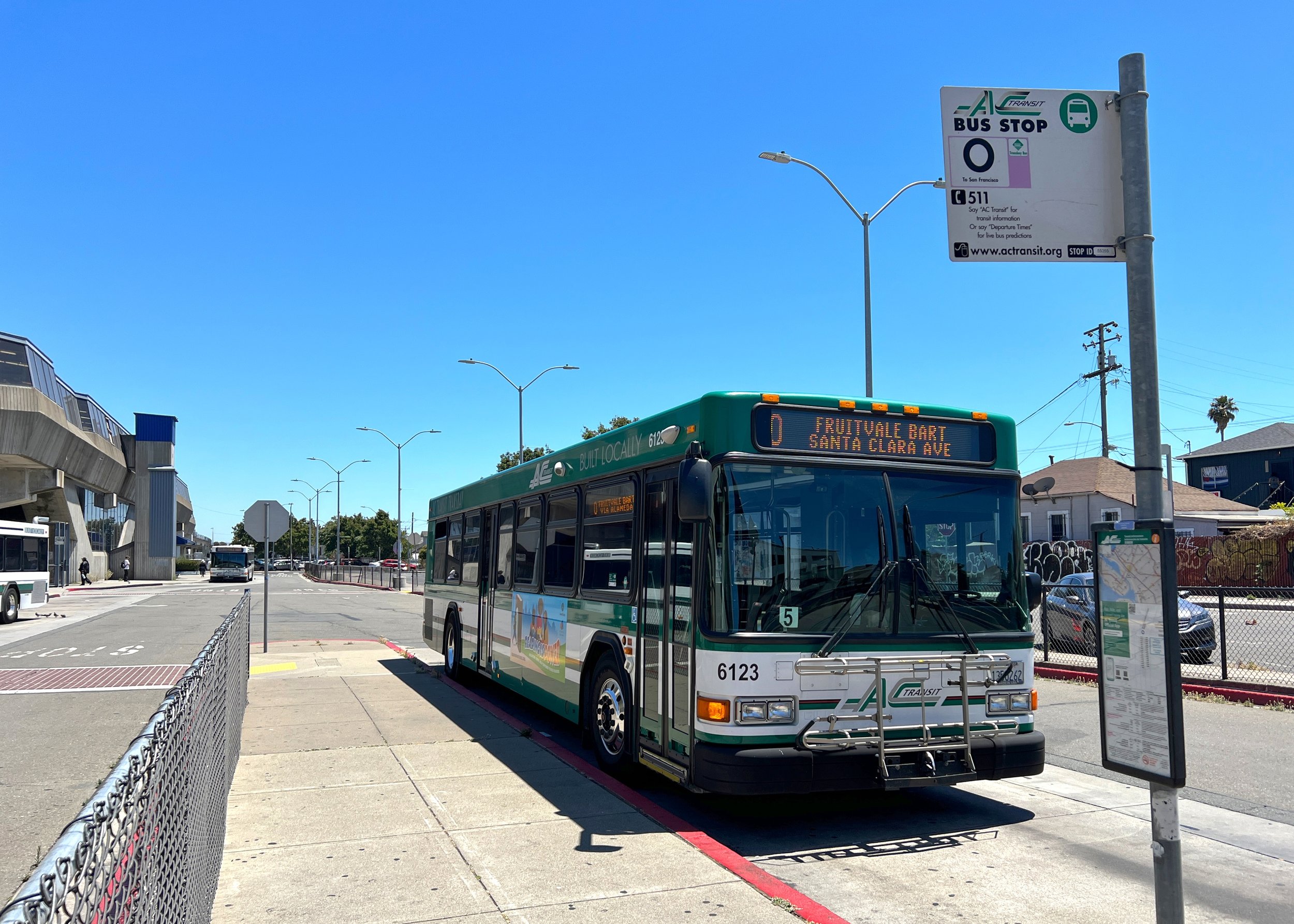
Making Great Transit
the Standard
Excellence
Public transit can provide an excellent user experience. Full stop. Bus ridership should not be the transportation mode of last resort. A vision for consistently clean vehicles, expertly driven, at a reliable frequency, to all corners of AC Transit's service region need not be a pipe dream. This is a future that we can envision and make real.