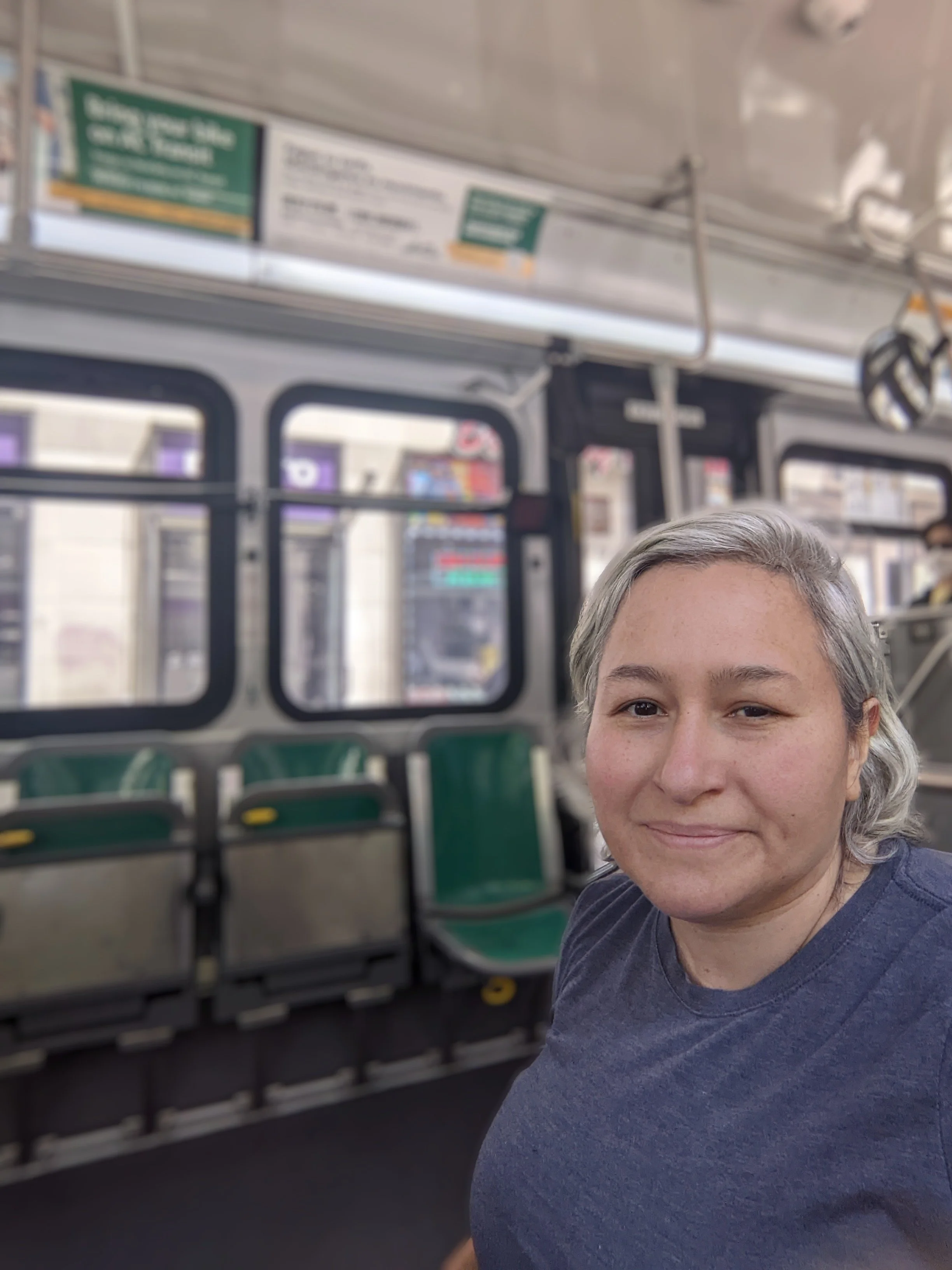
MYPRIORITIES&VALUES
make the system work, make it fair, and make the agency accountable.
-

RELIABILITY & TRUST
Riders Need a Transit System They Can Count On
-

AFFORDABILITY & ACCESS
Transit Shouldn't Cost More for the People Who Can Least Afford It
-

TRANSPARENCY & ACCOUNTABILITY
Public Transit Requires Public Accountability
RELIABILITY& TRUST


Operational reliability is the foundation of public transit. Riders depend on AC Transit to get to work, school, medical appointments, childcare, and the people and places that make up their lives. When a bus is late or a trip is cancelled, the consequences aren't abstract: people miss appointments, arrive late to work, miss classes, or lose confidence in the system altogether.
Independent performance tracking makes clear that reliability remains a serious challenge. The AC Transit Report Card evaluates routes based not only on whether a bus eventually arrives, but whether it arrives within a reasonable window, maintains regular headways, and provides the speed and consistency riders actually need.
Adriana will make operational reliability a top priority. That means understanding why trips are late or cancelled, investing in the people and infrastructure needed to improve service, and measuring performance against the experience riders actually have—not simply against whether a scheduled trip technically occurred.
“Riders shouldn’t have to wonder whether the bus will show up, whether they’ll make their connection, or whether the line they depend on today will still be there next year.”
AFFORDABILITY&ACCESS

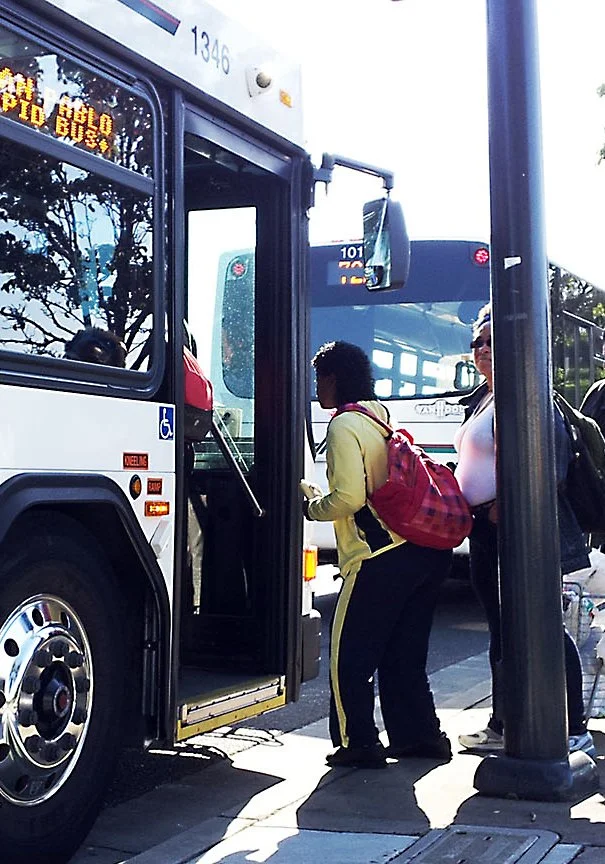
AC Transit needs to remain an affordable way to move around the East Bay, particularly for the riders who depend on public transportation most. As fares and other costs rise, riders need to see meaningful value in return: reliable service, useful connections, and a system that recognizes the financial realities of everyday riders.
Adriana is particularly concerned about the inequity facing people who pay their fare in cash. Riders without a Clipper card or digital payment option can pay more per trip and, under current policies, may not receive the same transfer benefits available to other riders. The people with the fewest payment options should not face the highest cost of getting around.
AC Transit also needs to pursue stable, sustainable sources of revenue rather than repeatedly balancing its budget by reducing service. Finding new revenue is essential, but so is making sure existing resources are directed toward the routes, frequency and connections riders depend on.
“If we’re asking people to choose transit, we have to make sure transit is affordable and that the people who have the fewest resources aren’t the ones paying the most.”
TRANSPARENCY&ACCOUNTABILITY


AC Transit is a public agency, and the public deserves to understand how decisions are made, how money is spent, and what riders can expect from the system. Transparency should not be something riders have to fight for—it should be built into how the agency operates.
Adriana supports full compliance with the Ralph M. Brown Act and the California Public Records Act, along with stronger, proactive disclosure of information. AC Transit should regularly publish clear financial, operational and service-performance reports that allow riders, employees and taxpayers to see what is working, what isn't, and how the agency is responding.
Board meetings should also be places where the public can meaningfully participate. Public comment is not a courtesy; it is an essential part of public governance. Riders and operators should have a meaningful opportunity to be heard before decisions are made that affect their jobs and their communities.
“You can’t ask riders to trust an agency they can’t see into. Transparency builds trust, and accountability means being willing to show the public whether they’re actually delivering.”

MY VALUES
EQUITY
Transit provides opportunity; service should connect the places where people live to the places they need and want to be: workplaces, schools, medical care, and additional transit hubs. Bus line planning and operations should not favor one neighborhood over another but should, instead, form an interconnected network of services that enable access to opportunity at both the daily and longer-term levels.
Connecting Every
Community to Opportunity

Environment
Private vehicle ownership and operation is one of the largest drivers of climate change at the individual-consumer level. A public transit network sufficiently robust that those who own vehicles choose to take transit instead is a net-positive for our region's environment. I believe that it is possible to get there.
But the benefit of fewer vehicles on the road isn't a stopping point. While AC Transit has public targets for a 100% zero-emission fleet by 2040, those targets need to be measured and regularly reported against.
Operationally, AC Transit's bus lines should provide access to the outdoors and places where residents of our region can appreciate and experience the natural environment
Building a Cleaner,
Greener Region
Excellence
Making Great Transit
the Standard
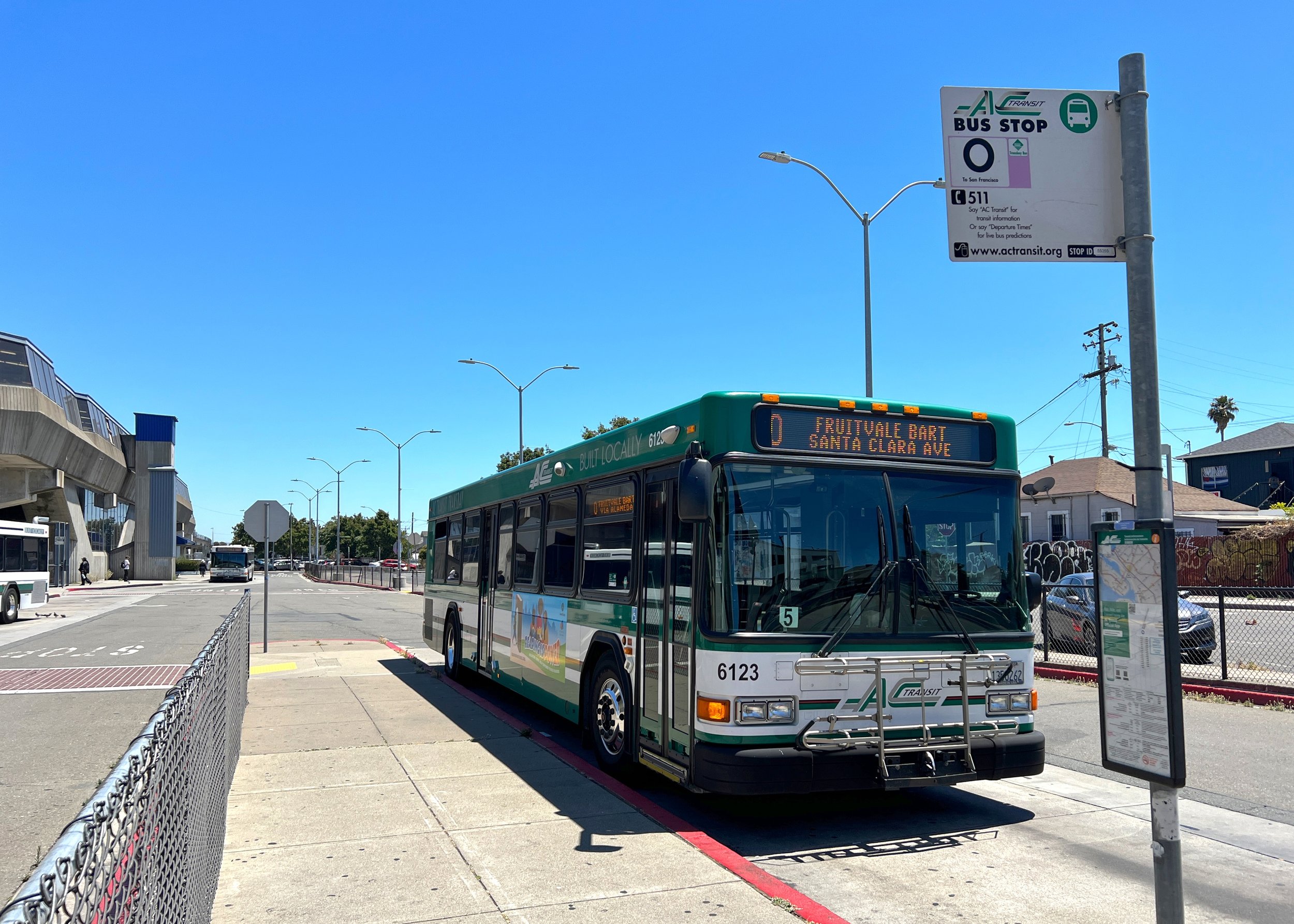
Public transit can provide an excellent user experience. Full stop. Bus ridership should not be the transportation mode of last resort. A vision for consistently clean vehicles, expertly driven, at a reliable frequency, to all corners of AC Transit's service region need not be a pipe dream. This is a future that we can envision and make real.